
Protecting Your Peace & Focus With Books - HSP Gentle Living
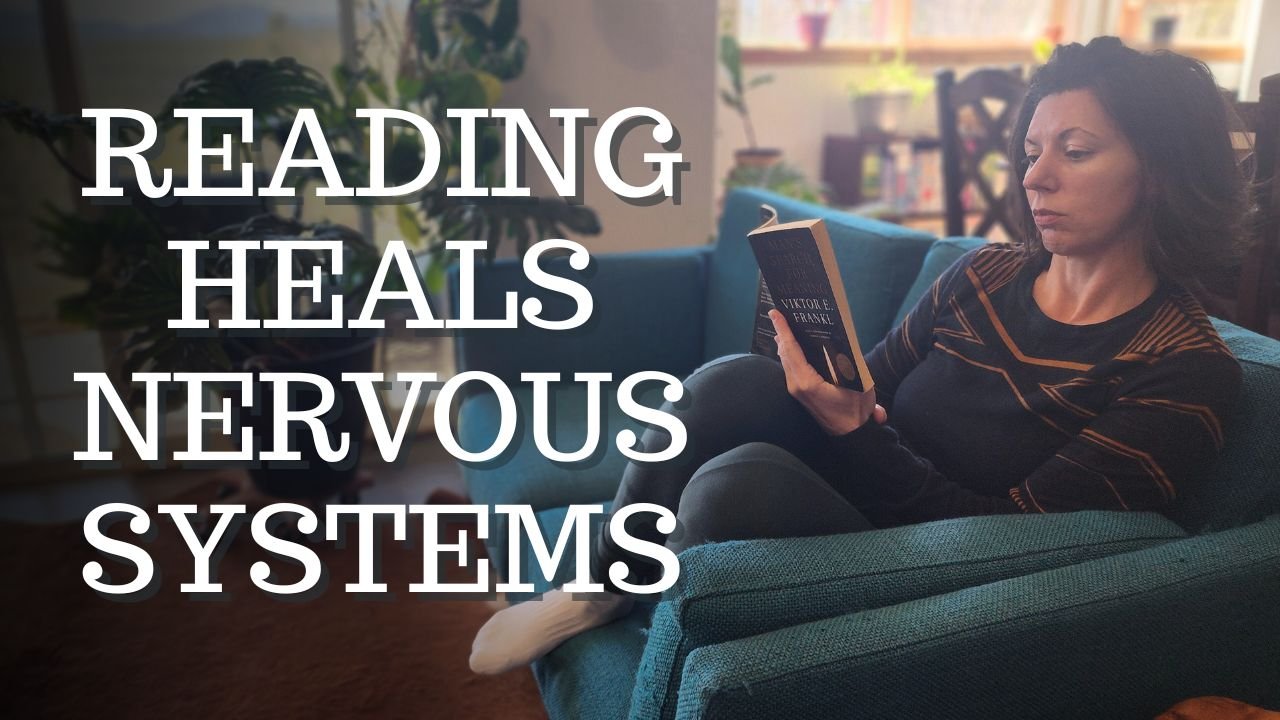
What would it look like if you could disappear completely into a world where no one could judge you, shame you, or demand anything from you?
For highly sensitive people navigating constant overstimulation, reading offers something rare. Books create a refuge where your nervous system can finally rest. This isn't about escaping reality. This is about protecting your peace in a world that drains HSPs dry.
Reading as Nervous System Regulation for HSPs
Your nervous system needs breaks from the chaos. Reading provides those breaks without apology.
When you open a book, you enter a space where hypervigilance can soften. Your body learns that safety exists. The act of moving through pages at your own pace teaches your nervous system that not everything requires urgency or performance.
Highly sensitive people often carry hypervigilance from childhood into adulthood. Books offer a controlled environment where focus becomes possible again. No one interrupts. No one demands immediate responses. Just you and the story.
How Books Became Survival Tools for Trauma Survivors
Reading became more than entertainment for many trauma survivors. It became a lifeline.
Books allowed a complete departure from overwhelming circumstances. Characters couldn't judge or hurt anyone. Stories held hands through experiences that had no language yet. This wasn't conscious therapy. But looking back, it functioned as narrative therapy before that term meant anything.
The ability to healthily escape into other worlds without any danger created breathing room. For highly sensitive people growing up in chaos, reading meant survival. It meant finding light when real life felt dark.
The Hyperfocus Paradox: When HSPs Disappear Into Books
Before everything became a diagnosable symptom, some people simply lost themselves in books. Completely.
Picture someone so absorbed in reading that a house fire wouldn't register. That level of focus looks like hyperfocus now. For HSPs, this depth of engagement represents something beautiful. The ability to be both physically present and mentally somewhere else entirely.
This isn't dysfunction. This is peace.
Books vs. Scrolling: What HSPs Lose in the Algorithm
The internet offers head knowledge. Crafting tips. Cute animals. Food inspiration.
But scrolling never creates the same depth. No one watches someone stare at their phone and sees their spirit. The fractured attention from short-form content rewires focus in ways that don't serve highly sensitive people. Books require sustained attention. Scrolling rewards fragmentation.
Nervous system regulation cannot happen when attention splinters every few seconds. Reading trains focus. Scrolling destroys it.
Why Highly Sensitive People Struggle with Performance and How Books Offer Relief
HSPs spend most of life performing. Masking sensitivity. People-pleasing. Managing others' emotions. Staying hypervigilant to avoid conflict or criticism.
Books ask for nothing. You never have to perform for a character. Never have to be "on" or give pieces of yourself away. Just time spent together. Reading.
This matters more than most people understand. For trauma survivors who learned early that relationships meant danger, books became the first safe relationship. Stories couldn't use you. They couldn't weaponize your vulnerability. They simply existed alongside you.
The absence of performance requirements allows highly sensitive people to actually rest. Not just physically. Emotionally. Your nervous system recognizes the difference between scrolling for distraction and reading for restoration. One fractures you further. One puts pieces back together.
Reading showed many people what light looked like when their real lives were darkness. Books gave permission to feel, to process, to make sense when losing your mind felt inevitable. Stories walked alongside highly sensitive people through experiences that had no words yet.
But this relationship isn't purely positive. For HSPs raised with perfectionism and intensity, books could also trigger anxiety. The expectation to respect books perfectly created hypervigilance around damaging pages. Fear of disappointing characters. Projection of family shame dynamics onto fictional relationships.
Even good things can become complicated when you're a highly sensitive person navigating trauma. Reading helped many survive childhood. It also absorbed some of the dysfunction. The key is recognizing both truths without abandoning the practice entirely.
How Higher Education Killed the Joy of Reading
College requires dry textbook reading. Years of it. Day after day of overly intellectual, overly heady material.
This pushed out reading for pleasure. The joy of story got buried under mandatory academic work. Many people with higher education degrees acknowledge this privately. The financial burden of college gets discussed constantly. The damage to reading relationships rarely gets mentioned.
Spending years in an intellectualized space has consequences. For highly sensitive people, losing the connection to reading meant losing a primary tool for nervous system regulation.
Reclaiming Reading as an HSP Practice
You may have lost your relationship with books. Scrolling replaced sustained focus. College soured the joy. Life got too busy or overwhelming.
Reading is still available. The practice of sitting with a book, moving through pages at your own pace, remains accessible. For highly sensitive people seeking gentle living, books offer refuge.
They are companions through loneliness. Affordable vacations when money is tight. Teachers. Spiritual advisors. Nervous system regulators. Focus trainers. Mirrors that help you see yourself.
What comes up when you consider cracking open a book you've avoided?
Taking Steps Toward Reading for Gentle Living
Meet yourself where you are. A relationship with books doesn't require perfection.
Maybe you start with one chapter. Maybe you join a book club to create accountability. Maybe you ask a therapist or coach to recommend something. Not just for learning. For restoration.
Highly sensitive people deserve richness and fulfillment. Reading offers both without demanding performance or draining your energy. Your nervous system recognizes the difference between genuine rest and cheap distraction.
What do you want for yourself? How willing are you to step outside your comfort zone to reclaim focus and peace?
Pick up a book. See what happens when you give yourself permission to disappear into pages again.
Episode Tags
- ADD 1
- Abuse 17
- Alcohol 3
- Anger 11
- Archetypes 1
- Bullying 6
- Childhood 38
- Codependency 11
- Covid 4
- Crystal Catalina 4
- Depression 15
- Detachment 2
- Disassociation 4
- Discomfort 1
- Emotions 75
- Existentialism 2
- Faith 1
- Family 28
- Fatigue 4
- Focus 3
- Gratitude 12
- Grief 14
- Guilt 2
- Healers 7
- Healing 52
- High Sensation 4
- Hope 1
- Hypervigilance 7
- Introverts 6
- Lonliness 10
- Love 3
- Manifesting 5
- Manipulation 20
- Masculinity 1
- Men 1
- Mindfulness 39
- Money 10
- Music 3
- Nutrition 2
- Overthinking 8
- PTSD 13
- Parenting 12
- People Pleasing 10
- Perfectionism 8
- Pets 4
- Relationships 23
- Resiliency 14
- Sadness 1
- Self Esteem 19
- Self Love 11








Episode Tags
- ADD 1
- Abuse 17
- Alcohol 3
- Anger 11
- Archetypes 1
- Bullying 6
- Childhood 38
- Codependency 11
- Covid 4
- Crystal Catalina 4
- Depression 15
- Detachment 2
- Disassociation 4
- Discomfort 1
- Emotions 75
- Existentialism 2
- Faith 1
- Family 28
- Fatigue 4
- Focus 3
- Gratitude 12
- Grief 14
- Guilt 2
- Healers 7
- Healing 52
- High Sensation 4
- Hope 1
- Hypervigilance 7
- Introverts 6
- Lonliness 10
- Love 3
- Manifesting 5
- Manipulation 20
- Masculinity 1
- Men 1
- Mindfulness 39
- Money 10
- Music 3
- Nutrition 2
- Overthinking 8
- PTSD 13
- Parenting 12
- People Pleasing 10
- Perfectionism 8
- Pets 4
- Relationships 23
- Resiliency 14
- Sadness 1
- Self Esteem 19
- Self Love 11
Recent Episodes:

Upcoming Events


For the Highly Sensitive Person who wants meditation without distraction. No intros, no explanations, no outros. Just you, Nikki, and meditation. This pack includes 6 separate tracks and over and hour of audio meditations in HD quality. Using mindfulness, we focus the mind and train your attention and awareness, to achieve a mentally clear and emotionally calm and stable state. Meditation may help reduce stress, anxiety, depression, and pain, and enhance peace, perception, self-concept, well-being, and improve our overall mental-health.
*All files are 320k/MP3 format.
Coping Strategy for Stress and Flow (11:52)
Overcoming Bullying Meditation & Mantra (13:10)
Forest Meditation - An immersive nature experience (22:13)
Cultivating Safe Space Within (19:21)
The Space Between Meditation (10:16)
Binaural Beats Brain Wave Trance Experience (14:02)
*Bonus - Binaural Beats Brain Wave Trance Experience - Instrumental Version (14:02)