
My Best Friend Has Cancer: Managing Anticipatory Grief
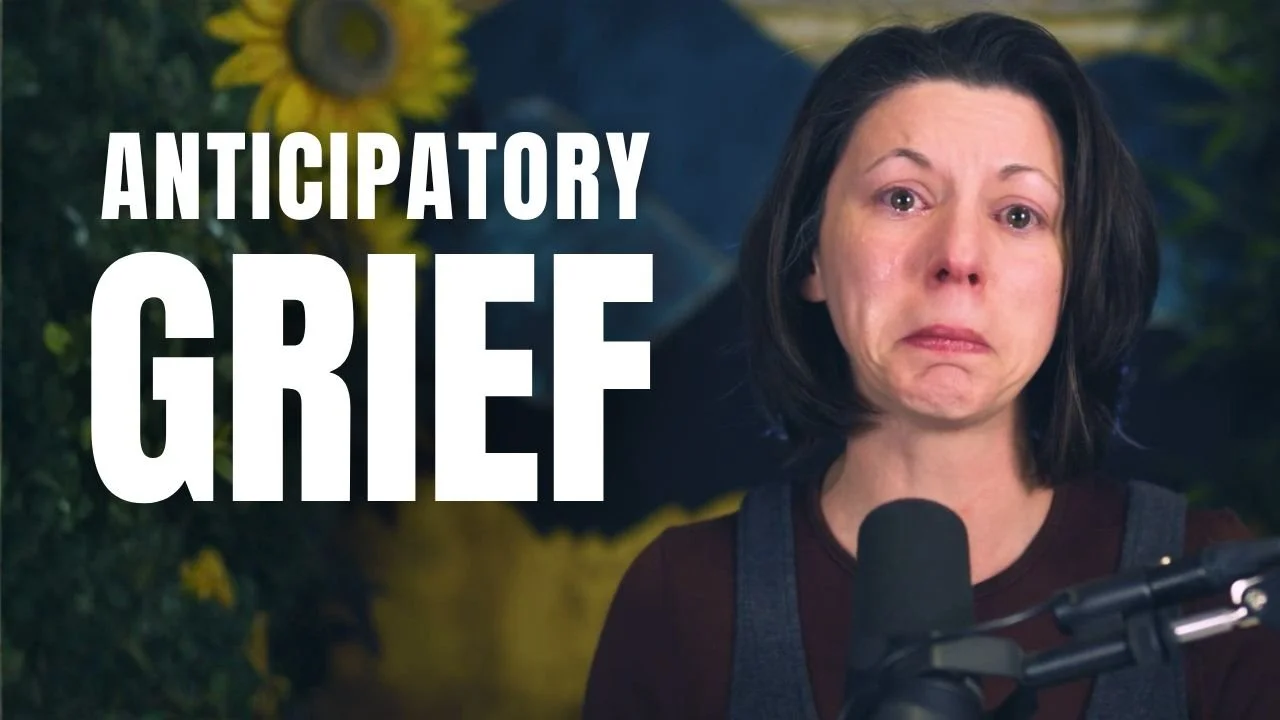
What happens when someone you love faces a terminal diagnosis and you realize you're as useless as a flimsy plastic plunger at a house fire?
The impulse to control outcomes intensifies when life becomes terrifying. Perfectionism emerges not as a pursuit of excellence but as a desperate attempt to manage the unmanageable. When faced with a close friend's potentially terminal cancer diagnosis, the urge to fix, solve, and influence outcomes can feel overwhelming.
Yet control remains an illusion.
Perfectionism as Disguised Hypervigilance
Perfectionism masquerades as intentionality and positive thinking. Beneath the surface, it operates as hypervigilance learned in childhood. The body remembers this state from early years when scanning for danger felt necessary for survival.
When fear activates the nervous system, old patterns resurface. The mind convinces itself that being hyper-intentional or hyper-positive can somehow control outcomes. This isn't wisdom. This is an ancient survival response wearing adult clothing.
Hypervigilance offers a false sense of security. It whispers that enough vigilance, enough planning, enough perfecting can prevent loss. The body tenses. The mind races. Energy depletes in service of an impossible mission.
The Difference Between Feeling and Being
Worth remains fixed regardless of circumstances or emotional states. This stands as fact, like the sun rising each morning. Yet feelings often contradict this truth.
When watching someone you love suffer, feelings of worthlessness can flood the system. The distinction between "I feel worthless" and "I am worthless" becomes critical. Feelings lie sometimes. Feelings get things wrong. Feelings can encourage narratives that cause harm rather than healing.
Acknowledging this difference creates space. You can hold the knowledge that your worth is unchanging while simultaneously experiencing intense feelings that contradict this knowledge. Both can exist. The feeling doesn't erase the truth.
The Critical Voice and Depletion
An inner critic lives within most people. This voice doesn't operate at consistent volume throughout life. When energy runs low and depletion sets in, the critical voice awakens.
Picture the critical voice as an old dysfunctional friend receiving a summons. The message arrives: energy is depleted, defenses are down, this is the perfect time to be effective. The critical voice rises and begins its familiar commentary.
This voice developed with good intentions. At some point in the past, it attempted to help. It aimed to protect or prevent mistakes or keep you safe. The critical voice isn't objectively bad. It simply stopped being helpful long ago.
No amount of healing work completely eradicates the critical voice. Even after years of growth, it continues to exist. The difference comes in how much power it holds and how often it speaks.
Building the Wise Woman Within
Healing creates something new inside. Call it the wise woman, the wise self, or the inner adult. This part develops through intentional work over time. It represents everything learned, everything earned, every hard-won insight integrated into the self.
The wise woman doesn't need to be summoned in crisis. She exists as a constant presence. She is you. You are never alone like you were as a child.
When waves of grief, anger, or powerlessness arrive, the wise woman holds steady. Her voice offers different guidance than the critical voice. She says: there's nothing to do right now but surrender and breathe. There's nothing to rally against. Nothing to fight. Just sit. Breathe. Let it wash over. Let it move through like waves shifting from high tide to low.
The wise woman reminds you that emotions are not the enemy. Allowing feeling instead of suppressing it becomes the path forward. No squishing, smushing, swallowing, hiding, stuffing down, pretending, apologizing, or judging.
Surrender as Active Choice
Surrender is not passive. Surrender is not giving up. Surrender operates as an active verb requiring repeated choice.
What does surrender look like in practice?
Accepting that healthcare systems function as they do, regardless of how they could improve. Accepting that life contains organized chaos. Accepting that some questions have no answers, particularly the question "why?"
Accepting that resilience exists even when you resent needing it. Accepting that beauty and pain coexist, each offering different wisdom. Accepting that understanding you cannot have is understanding you don't need.
One of the greatest superpowers available to highly sensitive people is surrender. Releasing grip. Letting go of pain to make space for joy that remains available even in difficult times.
The Myth of Perfect Processing
A powerful belief circulates in healing communities: if you process fully enough, feel completely enough, or heal deeply enough, you can outrun grief and fear and heartbreak.
Life doesn't work this way. Healing doesn't work this way. Love doesn't work this way.
What actually builds strength, peace, and resilience? Staying present and real. Choosing honesty over polish. Choosing surrender over masking or force. Choosing courage when facing profoundly scary unknowns.
Showing up imperfectly beats hiding behind perfect processing every time. The win isn't in getting it right. The win is in not hiding. The win is in showing up real.
Emotions as Waves, Not Threats
Highly sensitive people experience emotions with particular intensity. The volume turns up on everything. Joy feels more joyful. Pain feels more painful. Grief can feel crushing.
Emotions move like waves when given permission. They rise, crest, and fall. They shift from high tide to low. Resisting the wave doesn't stop it. Resistance only exhausts the person bracing against the inevitable.
What if emotions could be observed like clouds passing on wind? What if thoughts could be watched rather than believed absolutely? What if the goal wasn't to control or eliminate difficult emotions but simply to let them move through?
The wise woman says: let it move through you and out of you. You can surrender even when you don't want to. Resilience exists even when you resent having to be resilient.
Acceptance as Ongoing Practice
Acceptance is not a destination reached once. Acceptance operates as continuous action, a choice made again and again and again.
Accepting that one of the most powerful choices available is mindset. Accepting that power often lives in choosing to let go rather than hold tighter. Accepting that every day survived provides proof of capability.
Accepting that heartbreak leaves wisdom that cannot yet be fathomed. Accepting that this one precious life remains worth choosing, even when it feels like being punched in the gut.
The work of emotional boundaries and radical permission to do what's necessary for healing has never been more important. Sometimes healing requires unpopular choices. Sometimes thriving as an empath means taking radical ownership of your own mind and body state.
When Showing Up Imperfectly Is the Victory
Perfectionism finally reveals itself in these moments. The sneaky bastard shows its true face. It's not excellence. It's not devotion or high standards or work ethic. It's not care.
Perfectionism shows up as desperate attempts at control when facing uncertainty, loss, unknowns, and pain. Perfectionism whispers that saying it right, doing it right, processing fully, or showing up flawlessly can somehow prevent the inevitable.
The actual proof of growth isn't perfection. The proof is staying present. The proof is choosing honesty over polish. The proof is showing up real rather than hiding.
What does it mean to be an emotional badass? It means meeting yourself exactly where you are, even when that place is messy and imperfect and full of tears. It means allowing vulnerability without collapsing into it. It means speaking truth even when your voice shakes.
Your worth doesn't change based on how well you handle crisis. Your worth doesn't fluctuate with your emotional state. Your worth remains fixed, like a law of nature.
Can you hold that truth while also feeling everything you feel?
Episode Tags
- ADD 1
- Abuse 17
- Alcohol 3
- Anger 11
- Archetypes 1
- Bullying 6
- Childhood 38
- Codependency 11
- Covid 4
- Crystal Catalina 4
- Depression 15
- Detachment 2
- Disassociation 4
- Discomfort 1
- Emotions 75
- Existentialism 2
- Faith 1
- Family 28
- Fatigue 4
- Focus 3
- Gratitude 12
- Grief 14
- Guilt 2
- Healers 7
- Healing 52
- High Sensation 4
- Hope 1
- Hypervigilance 7
- Introverts 6
- Lonliness 10
- Love 3
- Manifesting 5
- Manipulation 20
- Masculinity 1
- Men 1
- Mindfulness 39
- Money 10
- Music 3
- Nutrition 2
- Overthinking 8
- PTSD 13
- Parenting 12
- People Pleasing 10
- Perfectionism 8
- Pets 4
- Relationships 23
- Resiliency 14
- Sadness 1
- Self Esteem 19
- Self Love 11








Episode Tags
- ADD 1
- Abuse 17
- Alcohol 3
- Anger 11
- Archetypes 1
- Bullying 6
- Childhood 38
- Codependency 11
- Covid 4
- Crystal Catalina 4
- Depression 15
- Detachment 2
- Disassociation 4
- Discomfort 1
- Emotions 75
- Existentialism 2
- Faith 1
- Family 28
- Fatigue 4
- Focus 3
- Gratitude 12
- Grief 14
- Guilt 2
- Healers 7
- Healing 52
- High Sensation 4
- Hope 1
- Hypervigilance 7
- Introverts 6
- Lonliness 10
- Love 3
- Manifesting 5
- Manipulation 20
- Masculinity 1
- Men 1
- Mindfulness 39
- Money 10
- Music 3
- Nutrition 2
- Overthinking 8
- PTSD 13
- Parenting 12
- People Pleasing 10
- Perfectionism 8
- Pets 4
- Relationships 23
- Resiliency 14
- Sadness 1
- Self Esteem 19
- Self Love 11
Recent Episodes:


Upcoming Events


For the Highly Sensitive Person who wants meditation without distraction. No intros, no explanations, no outros. Just you, Nikki, and meditation. This pack includes 6 separate tracks and over and hour of audio meditations in HD quality. Using mindfulness, we focus the mind and train your attention and awareness, to achieve a mentally clear and emotionally calm and stable state. Meditation may help reduce stress, anxiety, depression, and pain, and enhance peace, perception, self-concept, well-being, and improve our overall mental-health.
*All files are 320k/MP3 format.
Coping Strategy for Stress and Flow (11:52)
Overcoming Bullying Meditation & Mantra (13:10)
Forest Meditation - An immersive nature experience (22:13)
Cultivating Safe Space Within (19:21)
The Space Between Meditation (10:16)
Binaural Beats Brain Wave Trance Experience (14:02)
*Bonus - Binaural Beats Brain Wave Trance Experience - Instrumental Version (14:02)