
The Rare Combination Every Great Therapist Needs
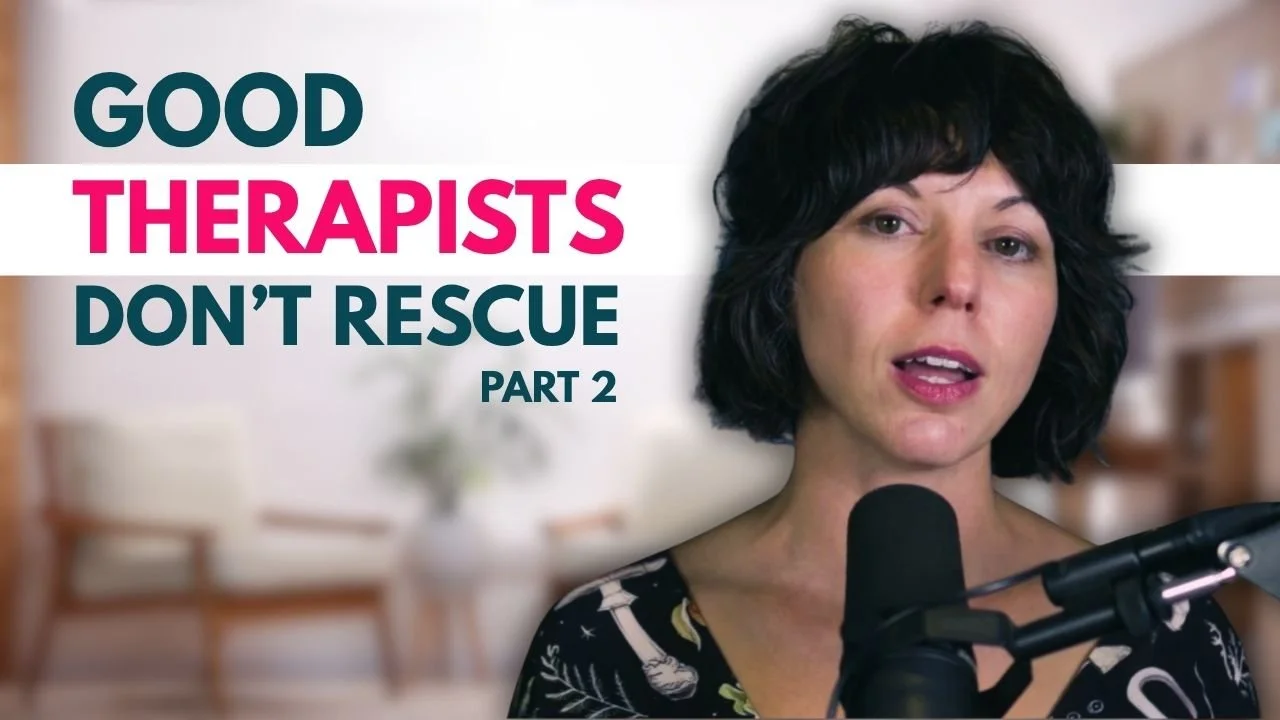
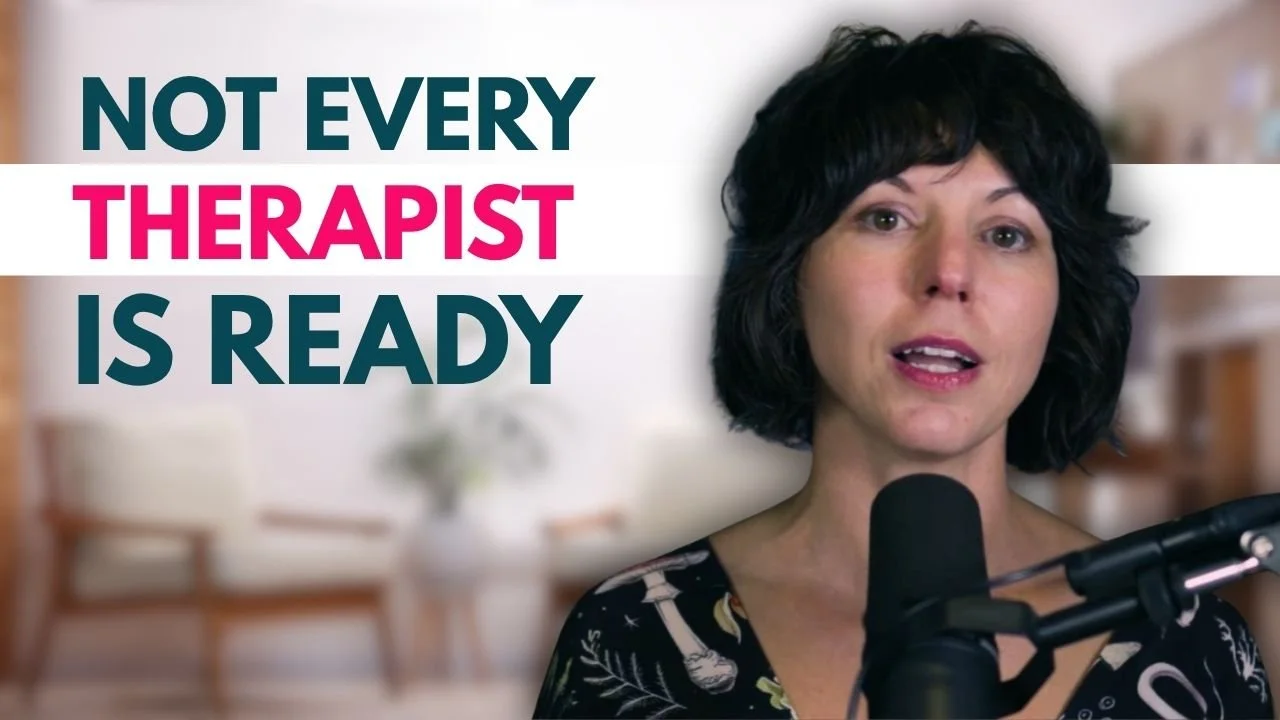
If you are highly sensitive and you have always dreamed of becoming a therapist, is your sensitivity a gift or a liability?
The honest answer is neither, not automatically. Sensitivity can become an extraordinary instrument, but only if you learn how to play it. Being a good therapist has less to do with raw talent and more to do with practice, self-care, and a willingness to look at your own blind spots. This work asks for a steady nervous system, real clarity, and boundaries firm enough to hold when someone pushes back.
Self-Care Beyond the Basics
Self-care for a therapist goes past sleep, food, and movement. Those basics build the floor, nothing more. Real self-care means knowing what actually restores your nervous system today, not fifteen years ago. What worked in your twenties will not always work now. Life changes. Your self-care has to change with it.
Self-care also means looking honestly at your own blind spots and inviting feedback, even when that feels uncomfortable. It means getting out of your comfort zone on purpose. Real self-care holds two things at once, tenderness toward yourself and the willingness to call yourself forward. Protecting boundaries around your own rest is not selfish. It is how you stay present enough to hold space for someone else's pain without losing yourself in it.
Clarity Is Kindness for the Highly Sensitive
Clarity is kindness. Mixed messages exhaust everyone, landing hardest on highly sensitive people because you are already scanning for what is not being said out loud. A backhanded compliment, the kind that sounds sweet on the surface and cuts underneath, is a mixed message wrapped in a bow. A good therapist chooses clarity anyway, and saying I do not know builds more trust than pretending to have every answer.
When a Diagnosis Becomes a Highly Sensitive Person's Identity
A diagnosis can offer a useful framework, but it was never meant to become your whole identity. Labels do not heal what sits underneath, the same way knowing a car's make and model does not fix the engine. The person in front of you, including the person you see in the mirror, is always more than any label could hold.
The Difference Between Rescuing Someone and Loving Someone
Rescuing someone can feel like love. When you feel someone else's pain deeply, the instinct is to make it stop right now. That instinct looks caring on the surface, and in a lot of ways it is. Empaths often learn, in a dysfunctional way, that there is a kind of magic available, the ability to rescue someone from pain and hand back instant relief. It works, for a moment. It also sends a quiet message that pain cannot be handled without you standing in the middle of it, ready to rescue again.
Picture a child with a busted knee. One grandmother's classic response was a cookie. The tears stop. The smile comes back. On the surface, nothing looks wrong with that. Underneath, a pattern gets built, hurt equals food, discomfort equals a quick fix instead of real care. That same pattern shows up anytime the reach is for rescue instead of repair. A busted knee actually needs washing out, maybe picking gravel and dirt from the wound, even though that part hurts more before it heals. Physical wounds get this kind of honesty. Emotional ones rarely do.
There is a real difference between throwing a raft to someone in a raging river and diving in after that person. A parent will dive into the water for a child every single time, and that makes complete sense. A therapist sitting with several people a week, each falling into that same river in a different way, cannot dive in every time and survive it. Boundaries are not coldness here. Boundaries are what keep your own nervous system regulated enough to keep throwing the raft, session after session, without drowning yourself in the process.
You cannot want someone's healing more than that person wants it. That line is hard to sit with, especially if you come from a family where love meant fixing everyone around you. A good therapist can hold the lantern. A good therapist can help someone see what felt impossible to see alone, or too scary to look at alone. But nobody can walk that path for another person. Dragging someone along it only wears you out, and it robs that person of the chance to build the strength to walk it alone.
Letting go of the rescue is not the same as letting go of care. It means loving someone enough to let the kicking, the reaching for the float, belong to that person and no one else. Some of that letting go brings real sadness, and that sadness deserves its own space, not a rush back into fixing mode. Two people show up in that room. Only one of the two can do the healing, and that was true before either person walked in.
Soft Heart, Strong Spine: What Boundaries Have to Do With Being a Good Therapist
The therapists who create real change are not always the ones who suffered the most, or the ones with the most degrees. What sets a good therapist apart is learning to hold a soft, tender heart and a strong spine in the same moment. That combination lets you feel deeply without drowning in someone else's emotion. It lets you keep boundaries without turning cold, and it protects your clarity even when the room gets heavy. Your own nervous system has to stay steady enough to hold that middle place, feeling everything and holding the line at the same time.
A good therapist tends to carry a specific mix of qualities, built through practice rather than talent:
Feels deeply without drowning in someone else's emotion
Keeps boundaries without turning cold or distant
Challenges someone without shaming that person
Loves someone without taking over the healing work
Keeps doing personal growth work, not for perfection, but because it shapes the energy brought into the room
If you are highly sensitive and still deciding whether this path is for you, know this. Your sensitivity is not the disqualifier you might fear. It is an instrument. Learn to play it well.
Say it plainly, if it helps. I am allowed to be highly sensitive and still hold strong boundaries. My nervous system is allowed to rest so I can show up fully for the people I care about. My sensitivity is not proof that I am too much. It is proof that I am paying attention.
Light and love, y'all.
Episode Tags
- ADD 1
- Abuse 17
- Alcohol 3
- Anger 11
- Archetypes 1
- Bullying 6
- Childhood 38
- Codependency 11
- Covid 4
- Crystal Catalina 4
- Depression 15
- Detachment 2
- Disassociation 4
- Discomfort 1
- Emotions 75
- Existentialism 2
- Faith 1
- Family 28
- Fatigue 4
- Focus 3
- Gratitude 12
- Grief 14
- Guilt 2
- Healers 7
- Healing 52
- High Sensation 4
- Hope 1
- Hypervigilance 7
- Introverts 6
- Lonliness 10
- Love 3
- Manifesting 5
- Manipulation 20
- Masculinity 1
- Men 1
- Mindfulness 39
- Money 10
- Music 3
- Nutrition 2
- Overthinking 8
- PTSD 13
- Parenting 12
- People Pleasing 10
- Perfectionism 8
- Pets 4
- Relationships 23
- Resiliency 14
- Sadness 1
- Self Esteem 19
- Self Love 11









Episode Tags
- ADD 1
- Abuse 17
- Alcohol 3
- Anger 11
- Archetypes 1
- Bullying 6
- Childhood 38
- Codependency 11
- Covid 4
- Crystal Catalina 4
- Depression 15
- Detachment 2
- Disassociation 4
- Discomfort 1
- Emotions 75
- Existentialism 2
- Faith 1
- Family 28
- Fatigue 4
- Focus 3
- Gratitude 12
- Grief 14
- Guilt 2
- Healers 7
- Healing 52
- High Sensation 4
- Hope 1
- Hypervigilance 7
- Introverts 6
- Lonliness 10
- Love 3
- Manifesting 5
- Manipulation 20
- Masculinity 1
- Men 1
- Mindfulness 39
- Money 10
- Music 3
- Nutrition 2
- Overthinking 8
- PTSD 13
- Parenting 12
- People Pleasing 10
- Perfectionism 8
- Pets 4
- Relationships 23
- Resiliency 14
- Sadness 1
- Self Esteem 19
- Self Love 11
Recent Episodes:

Upcoming Events


For the Highly Sensitive Person who wants meditation without distraction. No intros, no explanations, no outros. Just you, Nikki, and meditation. This pack includes 6 separate tracks and over and hour of audio meditations in HD quality. Using mindfulness, we focus the mind and train your attention and awareness, to achieve a mentally clear and emotionally calm and stable state. Meditation may help reduce stress, anxiety, depression, and pain, and enhance peace, perception, self-concept, well-being, and improve our overall mental-health.
*All files are 320k/MP3 format.
Coping Strategy for Stress and Flow (11:52)
Overcoming Bullying Meditation & Mantra (13:10)
Forest Meditation - An immersive nature experience (22:13)
Cultivating Safe Space Within (19:21)
The Space Between Meditation (10:16)
Binaural Beats Brain Wave Trance Experience (14:02)
*Bonus - Binaural Beats Brain Wave Trance Experience - Instrumental Version (14:02)