Why do people not leave cults?
Fear. Fear of losing the group, fear of being judged, fear of ending up alone out in the cold.
Now ask the same question about health insurance.
Nobody likes it. Nobody's satisfied with it. Premiums keep climbing, denied claims pile up, and the safety net we pay into every month doesn't catch us. We don't bounce when we hit it. Still, we keep paying.
Highly sensitive people tend to spot the cracks early, and that clear seeing can sit right next to a deep fear of stepping outside the tribe.
Health Insurance Is Supposed to Be a Safety Net
Andy Schoonover, CEO of Crowd Health, did everything right. After selling a company and losing employer coverage, Andy bought an Affordable Care Act plan for a family of four at around $1,100 to $1,200 a month. Soon the baby, just one year old, kept getting ear infections. The ear, nose and throat doctor found a hole in the eardrum and called the fix a 15-minute procedure. In network. Every box checked.
Then the hospital bill came: $8,000 for 15 minutes. A few weeks later, the insurance company called the procedure medically unnecessary and refused to pay. Two rounds of appeals later, the answer was still no. Andy wrote the $8,000 check, called the insurer, and quit. If the safety net won't pay your bills, why keep paying for the net?
Why Health Insurance Premiums Keep Climbing
Hospitals sell healthcare, so hospitals want prices as high as possible. Health insurance companies buy that care, and federal rules let an insurer keep 15 to 20 percent of premiums for overhead and profit, so bigger premiums mean a bigger slice in real dollars. When the buyer and the seller both want the price to go up, guess what? The price goes up.
How Common Are Denied Claims?
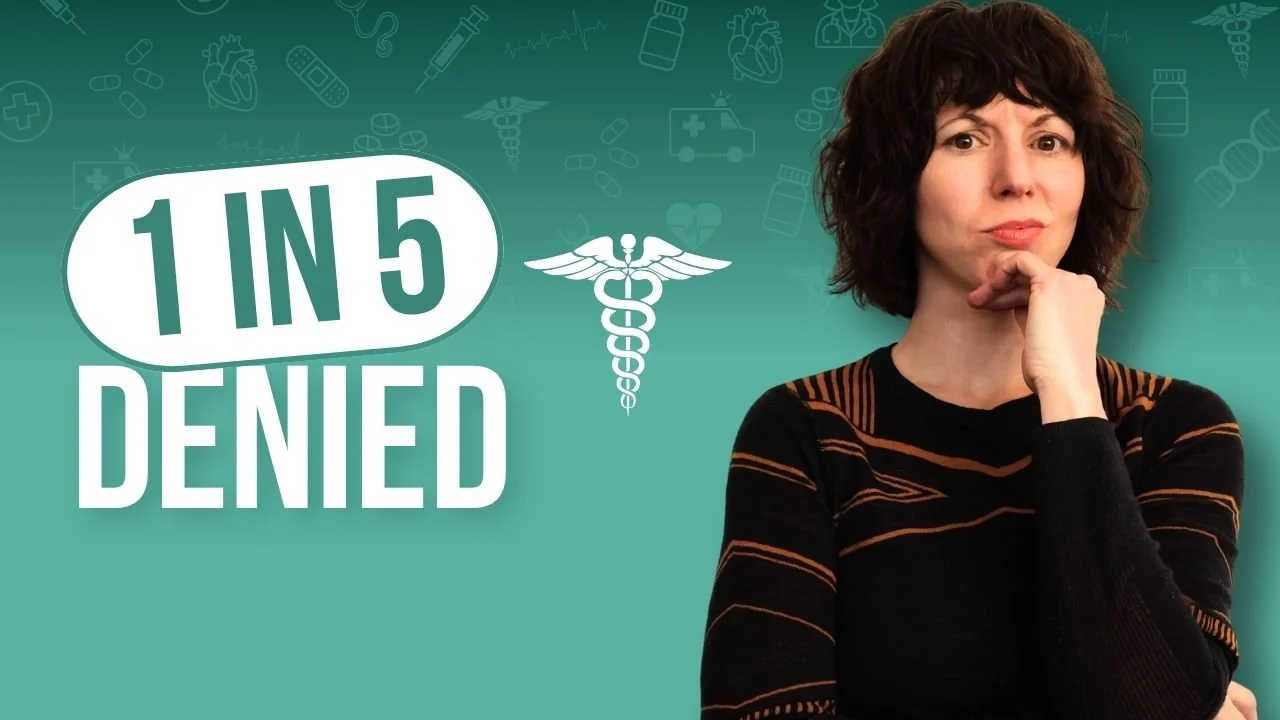
Andy's story is common. KFF found that HealthCare.gov insurers denied nearly one in five in-network claims in 2023, and people appealed only about 1 percent of those denied claims. How many denied claims went unchallenged because somebody simply ran out of fight?
Why Leaving Health Insurance Feels Like Leaving a Cult
Tell people you don't carry health insurance and watch the faces. Shock comes first. Then comes the question: what happens if you get hurt?
Underneath that question sits judgment. Most of us were conditioned since we were young to see someone without health insurance as negligent, a drain on the system, even when that person pays doctors directly at lower prices than anyone billing through an insurer. Nobody likes the system. Nobody's satisfied with it. Here we are anyway, waking up every day and doing the same thing over and over while expecting a different result. That's the definition of insanity, and it's also how cult brainwashing works.
Anyone who has helped people walk out of a cult or a brainwashed family system knows the pattern. Why do people stay? Fear. Fear of being rejected by the group.
We are biologically wired to be tribal. Hundreds of years ago, if we left the tribe or the tribe turned on us, we'd freeze to death. An animal would eat us. We needed the tribe to survive, and THAT wiring still lives in your nervous system. Questioning health insurance can set off the same alarm as leaving a cult, because your body hears an old message: leave the group and you die.
The alarm has a familiar script:
Responsible people have insurance.
You're being negligent with your family.
You'll end up a drain on everyone else.
Keep paying and don't make waves.
Employer coverage tightens the grip. When your health insurance comes through your job, your paycheck and your family's care get tangled together, and leaving one feels like risking the other. Plenty of people stay handcuffed to jobs that no longer fit, for the coverage alone. Parents feel this bind hardest of all.
Highly sensitive people carry a special version of this. Being sensitive means you observe more. You read the energies and messages at play, and you notice when a system is wrong long before everyone else admits it. You can be tough and shy at the same time. Highly sensitive people also feel group judgment in the body, fast and hard. You can know health insurance is failing you AND feel terrified of stepping outside it. Both are true at once.
Meanwhile, the fight itself wears you down. Denied claims. Rejected surgeries. Then you fight and fight and fight, pouring time, energy, sanity and bandwidth into paperwork instead of healing, resting or moving your body. That's why the word evil fits here. The whole cycle is an evil drain on the human spirit and on our collective physical and mental health.
So ask yourself a few honest questions. Who taught you that questioning health insurance makes you reckless? Whose judgment are you still afraid of? What would you choose if the fear of losing the tribe weren't in the room?
Smart Risk for Highly Sensitive People
Highly sensitive people often hold real leadership qualities and still sit back. The world is asking us to push up our sleeves and take smart risk, the kind you research, talk through and weigh against the payoff. When you make a change in the world, you give other people permission to make that change too. Who in your life is quietly waiting on that permission?
Building a New Tribe
At a Crowd Health member dinner in Denver, around 70 members filled a Brazilian steakhouse, and a few stood up to share healthcare stories. Parents whose children needed surgery. A patient flown to one of the best neurosurgeons in the country, completely covered. Crowd Health members fund each other's medical bills directly instead of paying premiums to an insurer, so every story in that room had real people behind the money. Watching the gratitude on those faces, people in the room teared up. For once, the safety net held!
Crowd Health isn't for everybody, and leaving health insurance is a decision to make with clear eyes. The dinner made one thing plain: a new tribe is possible, one where questioning the system is allowed. When you step OUT, you start your smaller tribe, and everyone watching learns there's another way.
If you’re interested in learning more visit https://www.joincrowdhealth.com/ and use code: BADASS to get your first 3 months for $99 per month.
Your Own Safety Net
Health insurance promised a safety net and handed many of us a fight. You get to decide what real support looks like for you and your family. Try these lines on:
I can feel the fear of the tribe and still choose for myself.
I'm allowed to question a system nobody likes.
My nervous system can settle as I learn the facts.
I get to build a safety net with people who show up.
Light and love, y'all.
Episode Tags
- ADD 1
- Abuse 17
- Alcohol 3
- Anger 11
- Archetypes 1
- Bullying 6
- Childhood 38
- Codependency 11
- Covid 4
- Crystal Catalina 4
- Depression 15
- Detachment 2
- Disassociation 4
- Discomfort 1
- Emotions 75
- Existentialism 2
- Faith 1
- Family 28
- Fatigue 4
- Focus 3
- Gratitude 12
- Grief 14
- Guilt 2
- Healers 7
- Healing 52
- High Sensation 4
- Hope 1
- Hypervigilance 7
- Introverts 6
- Lonliness 10
- Love 3
- Manifesting 5
- Manipulation 20
- Masculinity 1
- Men 1
- Mindfulness 39
- Money 10
- Music 3
- Nutrition 2
- Overthinking 8
- PTSD 13
- Parenting 12
- People Pleasing 10
- Perfectionism 8
- Pets 4
- Relationships 23
- Resiliency 14
- Sadness 1
- Self Esteem 19
- Self Love 11








Episode Tags
- ADD 1
- Abuse 17
- Alcohol 3
- Anger 11
- Archetypes 1
- Bullying 6
- Childhood 38
- Codependency 11
- Covid 4
- Crystal Catalina 4
- Depression 15
- Detachment 2
- Disassociation 4
- Discomfort 1
- Emotions 75
- Existentialism 2
- Faith 1
- Family 28
- Fatigue 4
- Focus 3
- Gratitude 12
- Grief 14
- Guilt 2
- Healers 7
- Healing 52
- High Sensation 4
- Hope 1
- Hypervigilance 7
- Introverts 6
- Lonliness 10
- Love 3
- Manifesting 5
- Manipulation 20
- Masculinity 1
- Men 1
- Mindfulness 39
- Money 10
- Music 3
- Nutrition 2
- Overthinking 8
- PTSD 13
- Parenting 12
- People Pleasing 10
- Perfectionism 8
- Pets 4
- Relationships 23
- Resiliency 14
- Sadness 1
- Self Esteem 19
- Self Love 11
Recent Episodes:

Upcoming Events


For the Highly Sensitive Person who wants meditation without distraction. No intros, no explanations, no outros. Just you, Nikki, and meditation. This pack includes 6 separate tracks and over and hour of audio meditations in HD quality. Using mindfulness, we focus the mind and train your attention and awareness, to achieve a mentally clear and emotionally calm and stable state. Meditation may help reduce stress, anxiety, depression, and pain, and enhance peace, perception, self-concept, well-being, and improve our overall mental-health.
*All files are 320k/MP3 format.
Coping Strategy for Stress and Flow (11:52)
Overcoming Bullying Meditation & Mantra (13:10)
Forest Meditation - An immersive nature experience (22:13)
Cultivating Safe Space Within (19:21)
The Space Between Meditation (10:16)
Binaural Beats Brain Wave Trance Experience (14:02)
*Bonus - Binaural Beats Brain Wave Trance Experience - Instrumental Version (14:02)