
This is What Confidence Looks Like
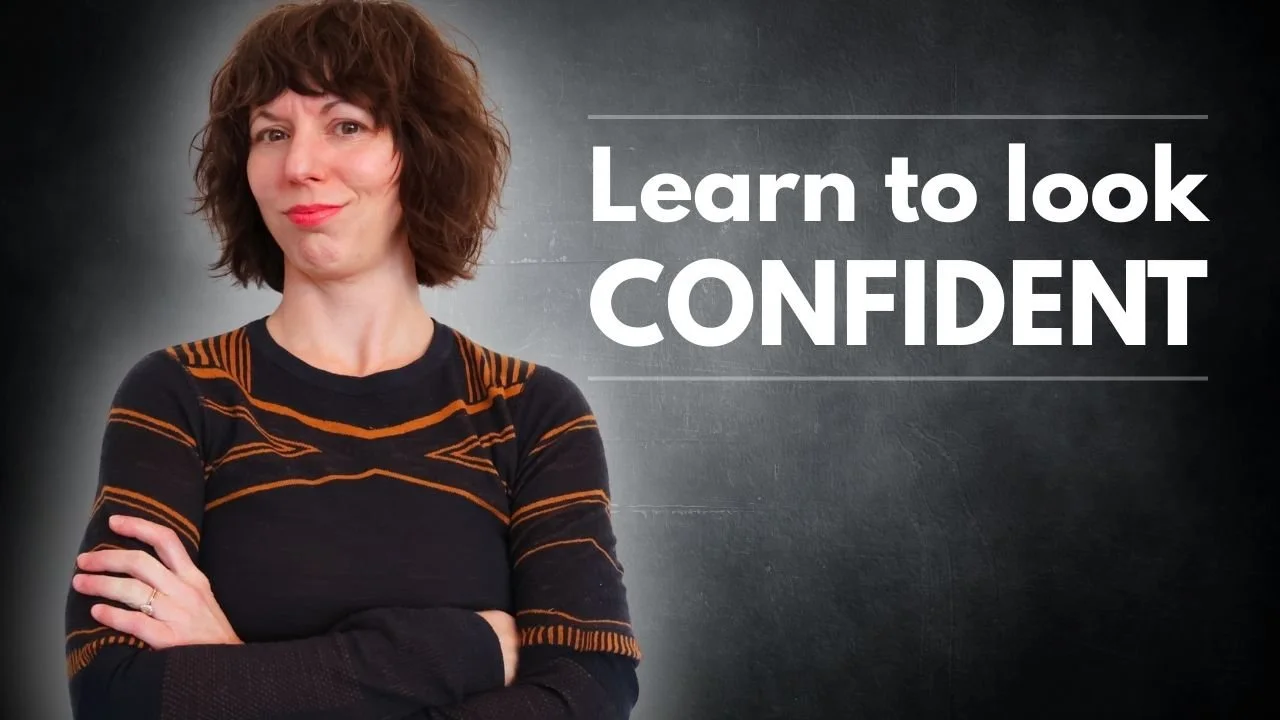
When was the last time you walked into a room and felt like you truly belonged there?
For highly sensitive people, confidence often feels like a foreign language. About 15 to 20% of the population identifies as highly sensitive, which means the feedback loop has been tilted against them from the start. The other 80 to 85% of people don't move through life the same way, don't think the same way, and don't process emotions with the same depth.
That mismatch creates a problem. Highly sensitive people absorb messages that their way of being is wrong, that they feel too much, that they should think differently. Over time, those messages erode confidence at its foundation.
Building Confidence After Trauma
Confidence means having faith in your own influence and ability. Every betrayal, every abusive interaction, every traumatic experience between humans represents an overpowering. These moments strip away choice and empowerment. When you're in an abusive moment, empowerment doesn't exist.
Healing requires reclaiming authority over your own life. You become your own authority figure. You say yes to what serves you. You say no to what doesn't. You walk through your one precious life taking care of yourself in ways that honor your needs and boundaries.
That's confidence in its truest form.
The Physical Signs of Confidence
Your body tells a story before you speak a word. Confidence shows up in how you hold yourself, how you move through space, and how you interact with your environment.
Strong posture creates the foundation. Shoulders back, chest out, chin high. This isn't about aggression or dominance. It's about taking up the space you're entitled to occupy. Highly sensitive people often make themselves smaller, hunching shoulders forward, looking at the floor, taking timid steps.
Confident movement means walking with wide steps. It means holding your hands loosely behind your back, unbothered and unrushed. Think of how royalty moves through gardens with their arms relaxed behind them. That physical positioning communicates safety and security.
The eyes reveal confidence too. A gleam, an inner light, a willingness to make eye contact with strangers and offer an easy nod. When you feel good in the world, you connect with other humans naturally. You acknowledge their presence. You don't hide.
Confidence in Personal Presentation
Strong hygiene and personal grooming signal investment in yourself. When someone walks into a room sharply dressed and well-groomed, you feel their confidence before they speak. That care and attention translates into how they carry themselves.
Confident people smile. They grin playfully. They wink. They offer that knowing half-smile that suggests secret knowledge. There's a lightness to their energy, an easiness that doesn't take everything too seriously.
The body language continues. Drumming fingers against the leg. Humming. Appearing relaxed. Legs spread wide, arms loose at the sides. Not obnoxiously invading someone else's space, but operating from a place that knows taking up space is acceptable.
How Highly Sensitive People Struggle With Taking Up Space
Do you choose the middle of the sofa or hug the corner? Do you sit at the center of the conference table or hide at the end?
These choices reveal confidence levels. Highly sensitive people often position themselves on the periphery. They avoid the spotlight. They make themselves less visible, hoping to observe without being observed.
Confident people approach others with ease. They ask for directions. They give compliments. They feel entitled, in the healthiest sense of that word, to initiate contact. Their arms swing while walking. They're not stiff or constrained.
A booming laugh comes easily. They speak boisterously without fear of offending. They offer witty commentary. They tilt their head back when amused. They don't shrink their expressions or hold back their reactions.
The Internal Experience of Confidence
What does confidence feel like from the inside?
Relaxed muscles provide the first clue. When leading a group from a place of confidence, tension decreases. Breathing comes easily, not labored or anxious. The heart maintains a steady rhythm instead of racing with worry.
There's a lightness in the chest. An openness. A flow. The body doesn't constrict or tighten defensively.
Mental responses shift too. Confidence creates a sense of calm and ease. Thoughts flow without hyperawareness or obsessive overthinking. You think useful thoughts naturally, without forcing or controlling the process.
A positive outlook accompanies confidence. That connection matters because negativity and confidence cannot coexist in the same space. People who consistently express negativity lack confidence in their ability to influence outcomes. They complain. They focus on what's wrong. They connect with others through shared misery rather than shared joy.
The awakening process involves leaving that complaining mindset behind. The positive outlook feeds confidence. Confidence strengthens the positive outlook. They create an upward spiral.
Confidence and Interest in Life
Confident people stay interested in whatever's happening around them. They engage. They participate. They don't intentionally act disinterested or remove themselves from situations.
That engagement extends to doing and saying things outside the norm without anxiety. As confidence grows, responses come naturally without extensive mental rehearsing. You speak without overthinking five different scenarios first. You trust yourself.
That trust matters enormously for highly sensitive people. The mental energy saved by not overanalyzing every potential outcome becomes available for actual living.
People pleasing decreases as confidence increases. Those two forces move in opposite directions. When confidence rises, the compulsive need to manage others' opinions and feelings diminishes.
When Confidence Becomes Overconfidence
Every emotion exists on a continuum. Confidence can escalate into satisfaction, then smugness, then contempt. The ego attaches and inflates. The head gets too big.
Overconfidence backfires. Smugness and contempt alienate others. They reveal insecurity masked as superiority.
Obsessively talking about achievements or material possessions can signal either acute confidence or overconfidence tipping into obnoxiousness. The difference lies in the energy behind it. Proudly sharing from a place of genuine exuberance feels different than bragging from a need to prove worth.
Reacting with anger or jealousy when your reputation gets damaged doesn't demonstrate confidence. True confidence allows people to think what they'll think about you. Their opinions become their business, not your emergency.
The "let them" theory applies here. Let them believe what they want. Let them judge. Let them misunderstand. You release the need to control their perceptions. That's a lighter, more confident way of being.
Suppressed Confidence in Highly Sensitive People
Minimizing compliments reveals suppressed confidence. When you feel the desire to compliment someone but hold back out of discomfort, you're operating from a place of diminished confidence. You don't trust yourself to express authentic appreciation.
Changing the topic to redirect attention away from yourself signals the same issue. In the early years of public work, many people struggle when others want to discuss their accomplishments. The spotlight feels uncomfortable. Those muscles haven't been developed.
Building confidence requires practicing receiving attention without deflecting it. You learn to answer questions about your work without steering the conversation elsewhere.
Downplaying your own comfort level to make others feel better demonstrates people pleasing, not confidence. Highly sensitive people don't need to minimize their needs to accommodate others' emotions.
Asking for opinions or advice can reflect either confidence or its absence. When you ask because you don't trust yourself and need someone else to provide answers, that's insecurity. When you trust your gut and gather information from people you respect to make informed decisions, that's confident intelligence.
Confidence for Introverts vs Extroverts
Confidence and extroversion appear to go together naturally. Extroverts feel comfortable addressing rooms full of people. They host events. They initiate group conversations. They lead publicly.
For introverts, confidence looks different. Courage and confidence might mean approaching one person at a time. That's where introverted highly sensitive people shine. Not in commanding the room, but in creating meaningful individual connections.
Many highly sensitive people function as reluctant leaders. They possess the attributes of wonderful leaders but feel sheepish about stepping into that role. They don't elbow into spaces and demand attention. They prefer to hang back, observe, contribute ideas carefully, and watch how those ideas get received.
The problem emerges when highly sensitive people avoid leadership positions but complain about how things get run. That creates a frustrating cycle. The very people with valuable insights and perspectives refuse to lead, then feel resentful about the direction others choose.
The Conflicted Protagonist
The Emotion Thesaurus offers a writer's tip that applies to highly sensitive people: It's natural to hold back or hide the true scope of emotions in the presence of others. When writing a conflicted protagonist, it's critical to show through action the emotion the character wants to convey while also expressing their true feelings.
Many highly sensitive people could describe themselves as conflicted protagonists in their own stories. The external presentation doesn't match the internal experience. Confidence gets suppressed while insecurity gets hidden.
The work involves aligning those two realities. What you feel inside starts to match what you express outside. The confidence you want to project becomes the confidence you actually embody.
Acting As If: The Confidence Experiment
What if you acted as if you already possessed the confidence you're building?
Next time you're in a conversation heading in a direction you dislike, take a breath and confidently steer it where you'd prefer it to go. Trust that someone else can redirect it again if they want. That's how conversations work among confident people.
Next time someone compliments you, resist the urge to minimize or deflect. Say thank you. Let it land. Receive the acknowledgment.
Next time you're choosing where to sit, pick the middle spot instead of the corner. Take up space. See what happens.
Confidence builds through small experiments. You try on the behaviors of confident people and notice how your internal experience shifts. Over time, the acting becomes authentic. The confidence you're practicing becomes the confidence you possess.
For highly sensitive people, this process takes time. Years of feedback suggesting you're too much or not enough don't disappear overnight. But each small act of confidence creates a new neural pathway. Each moment of choosing yourself over people pleasing strengthens your sense of authority over your own life.
You are allowed to be confident. You are allowed to take up space. You are allowed to trust yourself.
That's not arrogance. That's not selfishness. That's the foundation of emotional resilience and healthy relationships with yourself and others.
Episode Tags
- ADD 1
- Abuse 17
- Alcohol 3
- Anger 11
- Archetypes 1
- Bullying 6
- Childhood 38
- Codependency 11
- Covid 4
- Crystal Catalina 4
- Depression 15
- Detachment 2
- Disassociation 4
- Discomfort 1
- Emotions 75
- Existentialism 2
- Faith 1
- Family 28
- Fatigue 4
- Focus 3
- Gratitude 12
- Grief 14
- Guilt 2
- Healers 7
- Healing 52
- High Sensation 4
- Hope 1
- Hypervigilance 7
- Introverts 6
- Lonliness 10
- Love 3
- Manifesting 5
- Manipulation 20
- Masculinity 1
- Men 1
- Mindfulness 39
- Money 10
- Music 3
- Nutrition 2
- Overthinking 8
- PTSD 13
- Parenting 12
- People Pleasing 10
- Perfectionism 8
- Pets 4
- Relationships 23
- Resiliency 14
- Sadness 1
- Self Esteem 19
- Self Love 11










Episode Tags
- ADD 1
- Abuse 17
- Alcohol 3
- Anger 11
- Archetypes 1
- Bullying 6
- Childhood 38
- Codependency 11
- Covid 4
- Crystal Catalina 4
- Depression 15
- Detachment 2
- Disassociation 4
- Discomfort 1
- Emotions 75
- Existentialism 2
- Faith 1
- Family 28
- Fatigue 4
- Focus 3
- Gratitude 12
- Grief 14
- Guilt 2
- Healers 7
- Healing 52
- High Sensation 4
- Hope 1
- Hypervigilance 7
- Introverts 6
- Lonliness 10
- Love 3
- Manifesting 5
- Manipulation 20
- Masculinity 1
- Men 1
- Mindfulness 39
- Money 10
- Music 3
- Nutrition 2
- Overthinking 8
- PTSD 13
- Parenting 12
- People Pleasing 10
- Perfectionism 8
- Pets 4
- Relationships 23
- Resiliency 14
- Sadness 1
- Self Esteem 19
- Self Love 11
Recent Episodes:

Upcoming Events


For the Highly Sensitive Person who wants meditation without distraction. No intros, no explanations, no outros. Just you, Nikki, and meditation. This pack includes 6 separate tracks and over and hour of audio meditations in HD quality. Using mindfulness, we focus the mind and train your attention and awareness, to achieve a mentally clear and emotionally calm and stable state. Meditation may help reduce stress, anxiety, depression, and pain, and enhance peace, perception, self-concept, well-being, and improve our overall mental-health.
*All files are 320k/MP3 format.
Coping Strategy for Stress and Flow (11:52)
Overcoming Bullying Meditation & Mantra (13:10)
Forest Meditation - An immersive nature experience (22:13)
Cultivating Safe Space Within (19:21)
The Space Between Meditation (10:16)
Binaural Beats Brain Wave Trance Experience (14:02)
*Bonus - Binaural Beats Brain Wave Trance Experience - Instrumental Version (14:02)