
9 Signs You’re Truly an Empath
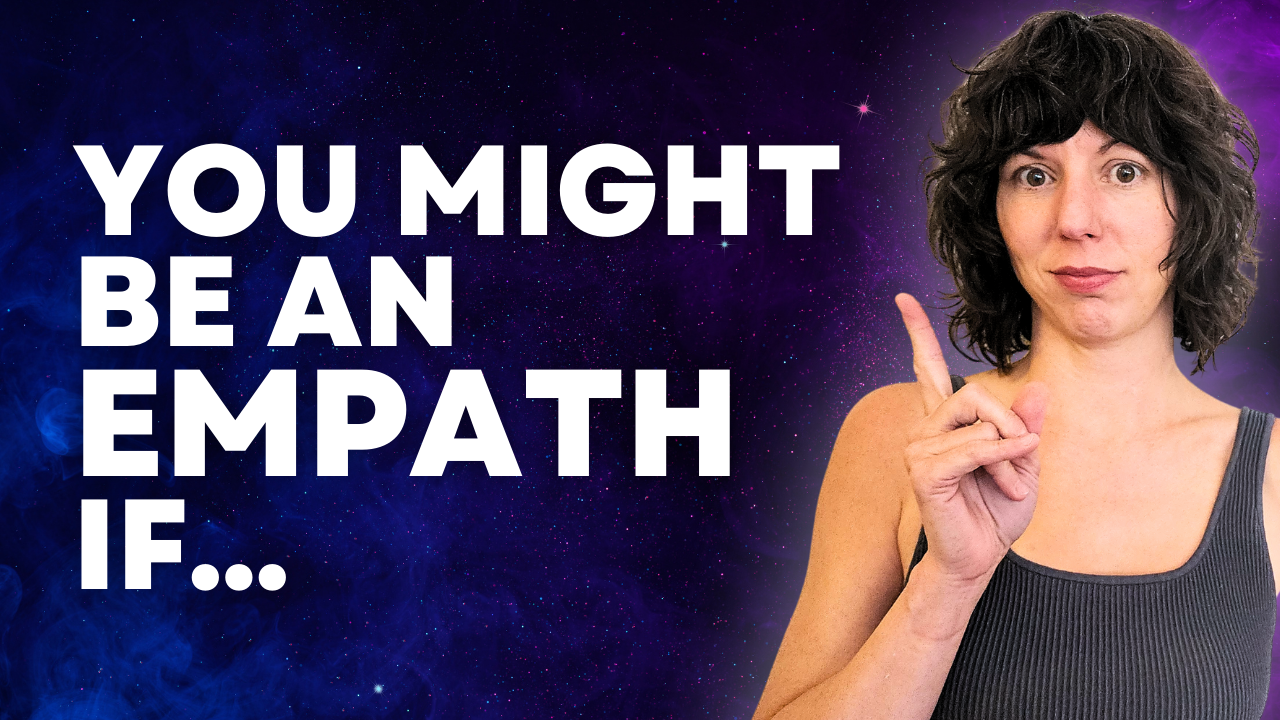
Have you ever walked into a room and immediately sensed who was angry, sad, or dishonest before anyone said a word?
This ability to read emotional energy is one hallmark of being an empath. Empaths possess heightened sensitivity to the emotions and energies around them. This sensitivity can feel like both a gift and a burden.
Understanding these qualities helps empaths recognize their experiences as valid rather than viewing their sensitivity as a flaw.
Empaths Can Read a Room Instantly
Empaths often know what others are feeling before any words are exchanged. Walking into a space, an empath can sense tension, sadness, or deception without conscious effort.
Many mental health professionals argue this skill stems from hypervigilance developed through trauma. Growing up in unstable environments where safety depended on reading adult moods creates this heightened awareness. The nervous system learns to scan for danger constantly.
But not all empathic ability comes from trauma. Some people are born with naturally stronger sensory abilities. Just as people have different levels of sight or smell, some possess greater capacity to sense emotional energy. The ability to read rooms can be both a trauma response and an innate trait.
Small Talk Drains Empaths Emotionally
Even brief surface-level conversations can leave empaths feeling exhausted. The cognitive understanding that small talk is harmless doesn't prevent the emotional toll.
Why does casual conversation feel so difficult? Small talk conflicts with the empath value system. Empaths crave depth and meaning in their interactions. Surface-level exchanges feel like wasting precious energy on something hollow.
The frustration doubles because society expects these interactions. Empaths feel forced to participate in a social ritual that goes against their nature. The internal resistance to small talk—the thoughts like "I hate this" or "this is pointless"—depletes energy before the conversation even starts.
Changing your relationship with small talk requires shifting at the value system level. What if small talk isn't meaningless but rather a break from emotional intensity? Surface conversations allow empaths to rest from constant depth. Viewing small talk as "easy breaths at the surface" rather than annoying obligations reduces the energy drain.
Empaths Confuse Intuition With Anxiety
Many empaths grow up in environments where their gut instincts screamed danger but they couldn't act on those warnings. As children, they were powerless to leave unsafe situations.
This creates a pattern. The gut says "something is wrong" but the mind learned long ago to ignore that signal and spin into anxious overthinking instead. The child who couldn't heed their intuition becomes an adult who dismisses their own knowing.
Healing means reconnecting to intuitive power. The psychological difference between childhood and adulthood isn't about age. Adults have authority over their own lives and the ability to take action based on their gut feelings.
Empaths must learn to distinguish between the gut saying "pay attention" and the anxious mind spinning stories. When intuition speaks, it tends to be clear and direct. Anxiety spirals and second-guesses.
Can you catch yourself running from gut knowing into mental confusion? That pattern formed for survival as a child but no longer serves you as an adult with agency and choice.
Empaths Know Things Without Explanation
Beyond reading a room, empaths sometimes know information they couldn't logically possess. This knowing often proves accurate later.
Many empaths report sensing when someone is thinking about them. They might think of a person moments before that person calls or messages. They feel pulled to check in on someone right before that person reaches out.
Some empaths sense when someone will get sick, become pregnant, or face an accident. This knowing arrives without proof or logical explanation. Demanding evidence before trusting intuition means waiting until danger has already struck.
The phrase "I don't know why, but something feels off" reveals the empath struggle. This statement suggests the knowing isn't valid without explanation. But intuition doesn't operate like courtroom evidence.
If your car breaks down and someone offers a ride but your gut screams danger, do you need proof before declining? Waiting for blood or a weapon means waiting until you're already in danger. Trusting the knowing—without understanding why—can be lifesaving.
Empaths must work on radical acceptance that intuitive knowing often comes without explanation. The knowing has to be enough.
Empaths Love People But Don't Like Most People
This paradox confuses many empaths. How can someone see beauty in humanity while simultaneously not enjoying most human company?
Empaths perceive the best in people with remarkable clarity. They recognize potential and see past surface presentations to core goodness. Yet they often prefer solitude or the company of animals to being around most humans.
This isn't narcissism. Narcissists don't question whether they're narcissistic. They believe they're superior to others without self-doubt. Empaths who worry about being narcissistic are definitively not narcissists.
The reality is simple. Most people aren't "your people" when you're an empath. Billions of humans exist on this planet. You don't need all of them to like you. You don't have to like all of them either.
Empaths tend to be highly conscientious. They think deeply about how their actions affect others. When this conscientiousness isn't reciprocated, resentment builds. People who don't self-reflect or grow can feel draining to empaths who prioritize development.
Animals offer unconditional love without the complexity of human relationships. Pets don't engage in surface talk or hold grudges the way humans do. The preference for animal company over human interaction makes perfect sense for empaths.
Empaths Mistake Emotional Intensity for Connection
Love bombing by narcissists frequently ensnares empaths. The instant emotional intensity feels like finally being seen and understood.
Many empaths grew up feeling invisible, unheard, or misunderstood. When someone arrives offering intense attention and validation, the starved inner child responds with desperation. The love bomber provides the seven-course meal to someone who's been emotionally starving.
But rapid feeding after starvation causes sickness. Too much too fast overwhelms the system. Real nourishment requires pacing.
Instant intensity can sometimes develop into genuine friendship. Some meaningful relationships do form quickly. This makes discernment difficult. Not all emotional intensity signals danger.
The difference between authentic connection and love bombing reveals itself over time. Real connection isn't threatened by slowing down. Real connection grows steadily rather than vanishing like fog when the initial intensity fades.
Pacing is the empath's responsibility. The inner child wants everything immediately, but the wise adult part must set healthy boundaries. Managing the idealistic inner child who operates without limits is the empath's job in maintaining emotional health.
Forgiving yourself for past love bombers requires learning from those experiences. Commit to healthier pacing in future relationships. Trust your gut when something feels too good too fast.
Empaths Need Alone Time to Recharge
Withdrawal is often listed as a symptom of depression. This creates confusion for empaths whose nervous systems genuinely require solitude to reset.
Empaths process significantly more sensory information than average. Their nervous systems pick up subtle energies and emotions others miss entirely. This constant processing exhausts the system.
Research shows the brain increases processing power when sensory input decreases. Closing your eyes allows better mental focus because sight demands enormous brain resources. Empaths naturally seek reduced stimulation to think more clearly.
Many empaths fantasize about sensory deprivation tanks or quiet rooms designed purely for decompression. These aren't symptoms of dysfunction but recognition of legitimate nervous system needs.
Mental health understanding of this has grown, but many practitioners still view empath withdrawal as something to heal rather than honor. The assumption that more social interaction equals better mental health doesn't apply universally to empaths.
How do you know when withdrawal is healthy versus problematic? Define clear parameters for yourself. When does pulling back serve your wellbeing? When does isolation become avoidance that harms you?
Once defined, the constant wondering stops. You'll know whether staying home or pushing yourself to engage is the right choice in any given moment. This clarity brings peace.
Empaths Are Highly Conscientious
Empaths naturally consider how their actions impact others. They think about timing, energy, and needs beyond their own. This conscientiousness feels automatic and right.
The problem arises when this conscientiousness flows out without being reciprocated. Empaths give consideration, care, and thoughtfulness while receiving little in return. This imbalance breeds bitterness and resentment.
Studies confirm society is becoming less considerate overall. People maintain less eye contact, hold fewer doors, and show less concern for others than previous generations. Phones absorb attention that used to go toward human interaction.
Many people don't intentionally disregard empaths. They simply operate with less awareness and different priorities. They aren't thinking through social interactions the way empaths do.
Radical acceptance helps here. Accept that others don't feel or think things through the way you do. This acceptance isn't endorsing bad behavior. It's releasing the expectation that others will match your level of conscientiousness.
Stop being bitter that your cup isn't being filled by others. Fill your own cup instead. Direct that conscientiousness toward yourself. Put yourself at the top of your consideration list.
Being conscientious to yourself means protecting your energy through boundaries. Boundaries aren't about keeping bad people out. Boundaries protect your precious energy for your one precious life.
The Empath Gift Requires Management
High sensitivity is a gift when managed properly. Without boundaries and nervous system regulation, the gift becomes a burden that leads to exhaustion and overwhelm.
Empaths must learn to turn their sensitivity up or down consciously. This isn't about suppressing the gift. It's about deciding when and how much energy to expend on sensing and processing.
No empath lives a satisfying life when their empathic qualities operate frantically and haphazardly. The qualities must be empowered rather than experienced as helpless dynamics that drain energy like a jail sentence.
You are your own authority figure. Take ownership of what your mind, body, and energy are doing. Refuse to be a powerless victim destined for exhaustion.
Emotional strength training helps empaths develop the capacity to hold their sensitivity with skill. Just as physical muscles require exercise to grow stronger, emotional muscles need practice and repetition to develop.
Reading about emotional regulation doesn't create change any more than reading about weightlifting builds muscle. You must do the actual exercises. You must lift the emotional weights through practice.
The peace available to empaths who learn these skills is profound. High sensitivity transforms from a curse into an asset when you understand how to work with your nervous system and honor your needs.
Being an empath means possessing abilities most people don't have. These qualities deserve respect and proper management. With the right tools and strength training, empaths stop struggling against their nature and start appreciating the beauty of their heightened awareness.
Episode Tags
- ADD 1
- Abuse 17
- Alcohol 3
- Anger 11
- Archetypes 1
- Bullying 6
- Childhood 38
- Codependency 11
- Covid 4
- Crystal Catalina 4
- Depression 15
- Detachment 2
- Disassociation 4
- Discomfort 1
- Emotions 75
- Existentialism 2
- Faith 1
- Family 28
- Fatigue 4
- Focus 3
- Gratitude 12
- Grief 14
- Guilt 2
- Healers 7
- Healing 52
- High Sensation 4
- Hope 1
- Hypervigilance 7
- Introverts 6
- Lonliness 10
- Love 3
- Manifesting 5
- Manipulation 20
- Masculinity 1
- Men 1
- Mindfulness 39
- Money 10
- Music 3
- Nutrition 2
- Overthinking 8
- PTSD 13
- Parenting 12
- People Pleasing 10
- Perfectionism 8
- Pets 4
- Relationships 23
- Resiliency 14
- Sadness 1
- Self Esteem 19
- Self Love 11







Episode Tags
- ADD 1
- Abuse 17
- Alcohol 3
- Anger 11
- Archetypes 1
- Bullying 6
- Childhood 38
- Codependency 11
- Covid 4
- Crystal Catalina 4
- Depression 15
- Detachment 2
- Disassociation 4
- Discomfort 1
- Emotions 75
- Existentialism 2
- Faith 1
- Family 28
- Fatigue 4
- Focus 3
- Gratitude 12
- Grief 14
- Guilt 2
- Healers 7
- Healing 52
- High Sensation 4
- Hope 1
- Hypervigilance 7
- Introverts 6
- Lonliness 10
- Love 3
- Manifesting 5
- Manipulation 20
- Masculinity 1
- Men 1
- Mindfulness 39
- Money 10
- Music 3
- Nutrition 2
- Overthinking 8
- PTSD 13
- Parenting 12
- People Pleasing 10
- Perfectionism 8
- Pets 4
- Relationships 23
- Resiliency 14
- Sadness 1
- Self Esteem 19
- Self Love 11
Recent Episodes:
Upcoming Events


For the Highly Sensitive Person who wants meditation without distraction. No intros, no explanations, no outros. Just you, Nikki, and meditation. This pack includes 6 separate tracks and over and hour of audio meditations in HD quality. Using mindfulness, we focus the mind and train your attention and awareness, to achieve a mentally clear and emotionally calm and stable state. Meditation may help reduce stress, anxiety, depression, and pain, and enhance peace, perception, self-concept, well-being, and improve our overall mental-health.
*All files are 320k/MP3 format.
Coping Strategy for Stress and Flow (11:52)
Overcoming Bullying Meditation & Mantra (13:10)
Forest Meditation - An immersive nature experience (22:13)
Cultivating Safe Space Within (19:21)
The Space Between Meditation (10:16)
Binaural Beats Brain Wave Trance Experience (14:02)
*Bonus - Binaural Beats Brain Wave Trance Experience - Instrumental Version (14:02)