
Healthy Relationships after a Toxic Relationship
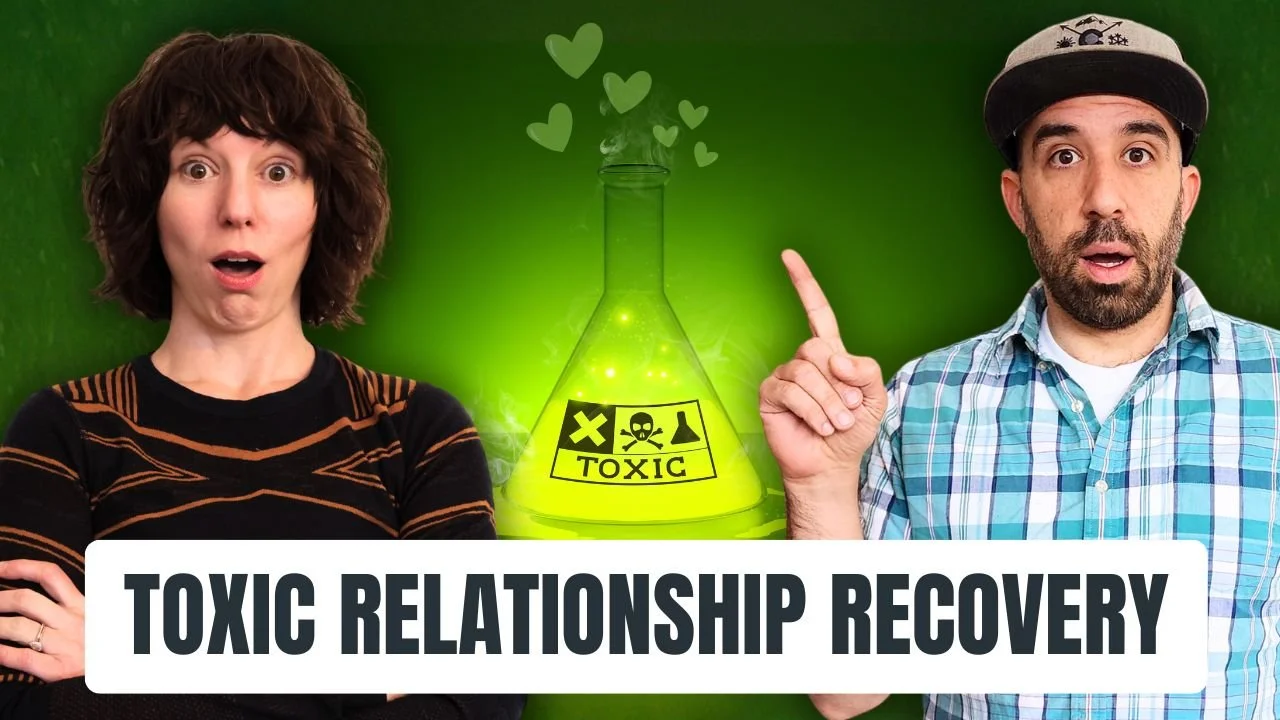
Have you ever wondered if the relationship work you're doing is actually healthy, or if you're just beating your head against a wall trying to fix something that was never meant to work?
The difference between a healthy relationship that requires effort and a toxic relationship that drains your soul often comes down to one critical factor: willingness.
Recognizing Toxic Relationships and the Missing Ingredient
When looking back at past toxic relationships, the most glaring issue isn't always what was present. Often, what stands out most is what was missing.
A toxic relationship typically lacks willingness to address issues. There's a missing willingness to accept that things need improvement. The compromise never comes. The middle ground stays out of reach.
Instead, toxic relationships operate with a "take it or leave it" mentality. One or both partners refuse to work together on the relationship itself.
This creates a dynamic where one person might desperately try to fix things while the other dismisses every concern. The energy becomes lopsided. The effort flows in only one direction.
Before asking whether your relationship is toxic, ask yourself a more basic question: Is it safe enough to even have these conversations?
There's a difference between nervous vulnerability and actual danger. Feeling awkward when bringing up something tender is normal. Feeling scared because you know your partner will explode is not.
Toxic relationships often involve what could be called "table flipping energy." When you try to have a conversation that could make the relationship better, you get shut down. You get dismissed. You get attacked.
The conversation itself becomes impossible. You can't get anywhere because the other person won't engage in good faith.
If you find yourself unable to voice concerns without facing hostility, you might be in a relationship that isn't workable.
The Two Patterns of Toxic Relationships
Highly sensitive people tend to fall into one of two patterns when dealing with toxic relationships.
Some people do the break-up-get-back-together cycle. They leave, come back, leave again, come back again. The pattern repeats three, four, five times before they finally recognize the toxicity and walk away for good.
Others stay too long in one stretch. They beat their heads against the wall trying to extract health from something that has nothing left to give. By the time they leave, they're so done they could burn it all down.
Both patterns share something in common: difficulty recognizing when to stop investing energy into something that will never become healthy.
Not all toxic relationships involve a manipulative narcissist and an innocent victim. Sometimes a toxic relationship emerges when two personalities simply don't work well together.
The friction between two people can create so much conflict that the dynamic becomes toxic, even if neither person is inherently abusive.
Does your best self emerge in this relationship, or does your worst self take over? This question cuts through confusion.
In healthy relationships, you feel challenged to grow. Better parts of yourself come forward. The other person's energy helps your best qualities emerge.
In toxic relationships, you find yourself behaving in ways you don't recognize. Your worst qualities dominate. You become someone you don't want to be.
This applies to platonic friendships just as much as romantic relationships. If someone's energy consistently brings out your worst self, the relationship may be toxic regardless of anyone's intentions.
The Sunk Cost Fallacy in Toxic Relationships
Many people stay in toxic relationships because of shared history. You've known someone for twenty years. You grew up together. You've been through so much.
But history doesn't obligate you to continue a relationship that no longer serves either person.
The assumption that long-term friendships or relationships must continue simply because of time invested is a fallacy. People change. What worked at sixteen may not work at thirty-six.
The fact that you've invested years into a relationship doesn't mean you owe it more years. Sometimes the healthiest choice is to acknowledge that you've grown in different directions.
When Toxic Relationships Blow Up
What happens when you try to address issues in a toxic relationship? Often, the other person responds with extreme hostility.
Attempting to have a constructive conversation about problems gets met with explosive anger. Cursing. Awful messages. Complete shutdown of communication.
This response pattern reveals an unwillingness to examine the relationship or take responsibility for dysfunction. When someone can't tolerate even gentle feedback, the relationship has no room to grow.
Healthy relationships allow for repair. Healthy relationships make space for someone to say, "That was messy, and I'm sorry." Healthy relationships involve both people owning their mistakes.
Toxic relationships lack this capacity entirely.
The Role of Willingness and Boundaries in Healthy Relationships
The difference between a functional marriage and a toxic relationship often comes down to one thing: both people being willing and able to work on what needs work.
But willingness alone isn't enough. Both people also need the ability to identify what needs work in the first place.
Many toxic relationships float in a space where neither person can name the problems constructively. Issues go unaddressed because they never get clearly articulated.
Without the ability to call out what needs attention, and without the willingness to address it once identified, relationships stagnate or deteriorate.
Most people don't develop strong boundaries until they've been badly hurt. You have to experience real betrayal or manipulation before you develop the clarity to say, "I'm not doing this again."
Young people especially struggle with this. When you're young, you may not have developed agency in relationships yet. You may lack the confidence to speak up about your needs.
Getting ripped off emotionally in a serious way often serves as the catalyst for developing boundaries. You finally put your foot down with yourself about what you will and won't accept.
The painful experiences, while difficult, teach critical lessons about self-protection and self-respect.
Toxic Relationship Patterns and Family of Origin
Without healthy relationship models, you can't recognize dysfunction when you're in it. When parents don't demonstrate repair after fights, when they leave issues unresolved, when they never address problems directly, their children don't learn how healthy relationships function.
Toxic relationships can become normalized. If you never witness people working through conflict constructively, you may not even realize your relationship has major problems. The dysfunction just becomes your normal.
Watching parents or caregivers fail to do "the work" of a relationship creates a blueprint for future toxic relationships. You repeat what you saw, or you struggle to imagine alternatives.
The Work of Healthy Relationships
What is "the work" people refer to in healthy relationships? It includes:
Fixing fights instead of letting resentment build
Coming together after conflict
Addressing issues directly
Making repairs when you've hurt your partner
Taking responsibility for your part
Showing up consistently
Compromising and finding middle ground
When one person wants to work on something and the other doesn't, toxic sludge builds up. This unresolved tension breeds resentment over time.
If people aren't doing the work, they may not even know they're in a toxic relationship. The dysfunction becomes so normalized they can't see it clearly.
Toxic Relationships and Desperation
Healthy relationships don't operate from desperation. If one or both partners feel desperate, something has gone wrong.
There's a difference between wanting to move quickly because you're excited and feeling forced to rush because someone is pressuring you.
Desperation as a driving force in relationships signals problems. Desperation clouds judgment. Desperation makes you accept things you shouldn't accept.
When you notice desperation in yourself or your partner, pause. Ask why the urgency exists. Ask what fear is driving the rush.
How Toxic Relationships Affect Sensitive People and Owning Your Part
Highly sensitive people face specific challenges in toxic relationships. Their empathy and awareness make them particularly vulnerable to manipulation.
Sensitive people often over-function in relationships. They do most of the emotional labor. They initiate most conversations about problems. They carry most of the responsibility for keeping the relationship going.
When a sensitive person stops over-functioning and the relationship dies on the vine, that reveals the truth. The relationship only survived because one person was doing all the work.
For the relationship to be moderately reasonable, reciprocation must exist. It doesn't need to be exactly fifty-fifty, but some effort must come from both sides.
To grow beyond toxic relationships, you need to own your part in the dysfunction. This doesn't mean blaming yourself or excusing the other person's behavior.
It means examining questions like: What parts of me were toxic enough to allow this to happen? How did I participate in this dynamic? What made me stay when I should have left?
Many people who come from dysfunctional childhoods make themselves the scapegoat. They assume everything wrong in the relationship stems from their own damage.
This pattern of over-owning problems is itself toxic. It prevents you from seeing the relationship clearly. It keeps you stuck in unhealthy dynamics because you always blame yourself.
The balance involves acknowledging your mistakes without taking responsibility for everything. It means recognizing that games are toxic, that manipulation is toxic, that you participated by accepting these things, but that you weren't the one creating the dysfunction.
Toxic Relationships and People-Pleasing
People-pleasing creates a toxic relationship with yourself before it affects relationships with others. When you constantly bury your own truth to keep others happy, you betray yourself.
This pattern often starts in childhood. Perhaps you wanted to be included so badly that you went along with everything your friends wanted. You didn't speak up when you disagreed. You didn't voice your own preferences.
This carries into adult relationships. You go along with what your partner wants. You suppress your opinions. You cave when you should stand firm.
The toxicity isn't just in how the other person treats you. It's in how you treat yourself by silencing your own voice.
When Toxic Relationships Feel Normal
One of the most dangerous aspects of toxic relationships is how normal they can appear from the outside. People say, "You're such a cute couple," and you think you should be okay.
But if you're having that thought, it's because you don't feel okay. The external validation doesn't match your internal experience.
Toxic relationships don't always glow green or red like obviously poisonous substances. They can look functional from the outside while causing tremendous harm on the inside.
Trust your gut over other people's perceptions of your relationship. Your internal experience matters more than how things appear to outsiders.
The Challenge of Compatibility
Most people start dating without any real thought about compatibility. Dating feels like bumper cars. You bump into someone, they're interested in you, so you open yourself to the possibility.
But compatibility requires more intention. Ask yourself:
Does this person help my best self emerge?
Do we share core values?
Can we communicate about hard things?
Do we both want to grow together?
Does this person's energy lift me up or drag me down?
Without considering these questions, you end up in relationships based solely on attraction or availability. These relationships often become toxic because the foundation was never solid.
Toxic Relationships in Friendships
Toxic relationships aren't limited to romance. Friendships can become just as toxic as romantic relationships.
A friendship that consistently brings out your worst self isn't serving you. A friend who carries a black cloud everywhere and drags you into negativity creates toxicity.
When you try to address problems in the friendship and the other person explodes with hostility, you're dealing with the same dynamic that makes romantic relationships toxic.
The same principles apply:
Is there willingness to work on issues?
Can you have honest conversations?
Does the friendship lift you up or drag you down?
Is there reciprocity in effort and care?
If the answers reveal dysfunction, it may be time to let the friendship go, regardless of how long you've known each other.
Moving Beyond Toxic Relationships
Recovery from toxic relationships involves several key steps:
Learning to trust your gut about what feels wrong, even when you can't articulate why.
Developing the ability to name what you need in a relationship.
Building boundaries around what you will and won't accept.
Recognizing when you're over-functioning and pulling back.
Finding the courage to leave when a relationship isn't workable.
Stop making yourself the scapegoat for all relationship problems.
Most people need to go through painful toxic relationships before they develop the clarity to choose healthy ones. The lessons learned, while brutal, provide the foundation for better choices in the future.
Questions to Ask About Your Relationships
Is it safe to bring up concerns without facing hostility?
Does this relationship help your best self emerge?
Is there willingness on both sides to address problems?
Are you over-functioning while your partner under-functions?
Does the relationship operate from desperation or from solid ground?
Can you both name what needs work and commit to working on it?
Do you feel like yourself in this relationship, or like someone you don't recognize?
These questions cut through confusion and reveal the truth about whether a relationship is healthy or toxic.
The goal isn't perfection. Healthy relationships involve conflict and mistakes. But healthy relationships also involve repair, growth, willingness, and reciprocity.
Toxic relationships lack these essential elements. No amount of love or history can substitute for them.
Episode Tags
- ADD 1
- Abuse 17
- Alcohol 3
- Anger 11
- Archetypes 1
- Bullying 6
- Childhood 38
- Codependency 11
- Covid 4
- Crystal Catalina 4
- Depression 15
- Detachment 2
- Disassociation 4
- Discomfort 1
- Emotions 75
- Existentialism 2
- Faith 1
- Family 28
- Fatigue 4
- Focus 3
- Gratitude 12
- Grief 14
- Guilt 2
- Healers 7
- Healing 52
- High Sensation 4
- Hope 1
- Hypervigilance 7
- Introverts 6
- Lonliness 10
- Love 3
- Manifesting 5
- Manipulation 20
- Masculinity 1
- Men 1
- Mindfulness 39
- Money 10
- Music 3
- Nutrition 2
- Overthinking 8
- PTSD 13
- Parenting 12
- People Pleasing 10
- Perfectionism 8
- Pets 4
- Relationships 23
- Resiliency 14
- Sadness 1
- Self Esteem 19
- Self Love 11









Episode Tags
- ADD 1
- Abuse 17
- Alcohol 3
- Anger 11
- Archetypes 1
- Bullying 6
- Childhood 38
- Codependency 11
- Covid 4
- Crystal Catalina 4
- Depression 15
- Detachment 2
- Disassociation 4
- Discomfort 1
- Emotions 75
- Existentialism 2
- Faith 1
- Family 28
- Fatigue 4
- Focus 3
- Gratitude 12
- Grief 14
- Guilt 2
- Healers 7
- Healing 52
- High Sensation 4
- Hope 1
- Hypervigilance 7
- Introverts 6
- Lonliness 10
- Love 3
- Manifesting 5
- Manipulation 20
- Masculinity 1
- Men 1
- Mindfulness 39
- Money 10
- Music 3
- Nutrition 2
- Overthinking 8
- PTSD 13
- Parenting 12
- People Pleasing 10
- Perfectionism 8
- Pets 4
- Relationships 23
- Resiliency 14
- Sadness 1
- Self Esteem 19
- Self Love 11
Recent Episodes:
Upcoming Events


For the Highly Sensitive Person who wants meditation without distraction. No intros, no explanations, no outros. Just you, Nikki, and meditation. This pack includes 6 separate tracks and over and hour of audio meditations in HD quality. Using mindfulness, we focus the mind and train your attention and awareness, to achieve a mentally clear and emotionally calm and stable state. Meditation may help reduce stress, anxiety, depression, and pain, and enhance peace, perception, self-concept, well-being, and improve our overall mental-health.
*All files are 320k/MP3 format.
Coping Strategy for Stress and Flow (11:52)
Overcoming Bullying Meditation & Mantra (13:10)
Forest Meditation - An immersive nature experience (22:13)
Cultivating Safe Space Within (19:21)
The Space Between Meditation (10:16)
Binaural Beats Brain Wave Trance Experience (14:02)
*Bonus - Binaural Beats Brain Wave Trance Experience - Instrumental Version (14:02)